


Experience a true healing not just a disease’s symptomatic control. Opt for the stem cell treatment and get a complete regeneration or repair of your damaged tissues or cells. This advanced treatment is potent enough to reverse a disease at cellular level. That’s why it’s the most recommended treatment option for various chronic diseases, degenerative disorders, and severe injuries.
Many Pakistani and global patients are considering it a viable option when conventional treatments fall short. If you want to know about this advanced treatment in detail then this guide is specially for you. It will help you know what stem cell treatment is, what its uses are, and how it promotes healing. Get started now!
Stem Cells & Stem Cell Treatment
You might have heard of muscle cells, nerve cells, blood cells, and others. These all cell types are differentiated to perform a specific function. Stem cells are different. They are the undifferentiated cells with the potential to get differentiated into any specific cell type. They have the ability to self-renew, divide, and produce more cells.
These cells have different origins. Based on their origins, they have specific applications. Adult stem cells are often clinically recommended due to ethical and safety recommendations. Coming to the stem cell treatment, it’s a medical therapeutic method that cures at the cellular level. It uses stem cells to repair, replace, and regrow the damaged tissues and organs.
The Science Behind the Healing Mechanism with Stem Cell Treatment
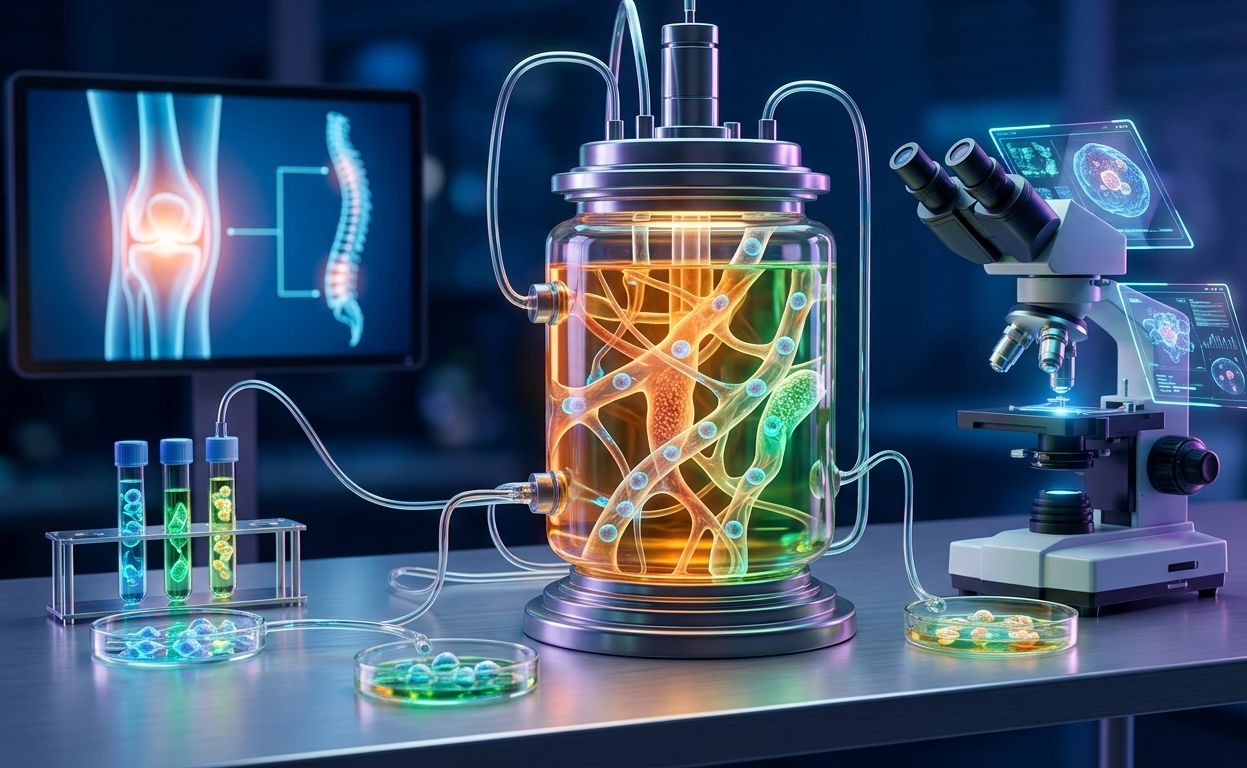
Stem cells have a variety of action mechanisms. They first differentiate into specialized cells. This assists in replacing damaged tissue. Second, they secrete bioactive molecules. These molecules decrease inflammation and stimulate tissue regeneration. Third, they boost the repair mechanisms in the body. This is a combination that makes a great healing atmosphere. As an example, cartilage repair can be aided with the help of stem cells in joint injuries.
They can be used to shield nerve cells in neurological disorders and enhance performance. They may be used in heart diseases to repair the heart tissue. The success of treatment is based on a number of factors. These are the nature of the stem cells utilized, how they are delivered, and the overall health of the patient.
Some Common Applications of Stem Cell Treatment
Stem cell treatment has broad applications. It is used in both established and emerging medical fields. In orthopedics, it addresses joint pain, ligament injuries, and cartilage damage. Stem cell therapy for joint disorders is one of the most-demanded treatment options. Patients with osteoarthritis often seek this therapy. It can reduce pain and improve mobility. Athletes use it to recover from injuries faster.
In neurology, stem cell treatment shows promising results. Stem cell treatment for Parkinson’s disease, autism, and spinal cord injuries is highly demanded all across Pakistan and worldwide. It may help restore nerve function and improve quality of life. While results vary, ongoing trials continue to provide valuable insights.
Cardiology also benefits from this approach. Stem cells may aid in repairing damaged heart tissue after a heart attack. They support blood vessel formation and improve cardiac function.
Dermatology and cosmetic medicine use stem cells for skin rejuvenation. They promote collagen production and improve skin texture. This application continues to grow in popularity.
Smooth yet Effective Procedure of Stem Cell Therapy for Patients Satisfaction
The overall process of stem cell treatment is well-structured and patient centric. First, a patient is accessed in a detail by professionals. The condition of the patient is checked and medical history is taken. This tells a patient’s suitability for treatment. Next comes the cells collection. The minimally invasive bone marrow aspirations and fat tissue extraction methods are used for the collection of cells. Typically, a local anesthesia is given at this stage.
After collection, the sample moves to a laboratory. Specialists isolate and prepare the stem cells. This step ensures high quality and viability. The prepared cells are then ready for administration. The final stage is the injection or infusion. Doctors use imaging guidance to ensure precise placement. The procedure is usually quick. Most patients return home the same day.
Recovery is generally smooth. Patients may experience mild discomfort at the injection site. Doctors often recommend rest and gradual return to activity. Follow up visits help monitor progress and outcomes.
The Remarkable Perks of Taking Stem Cell Treatments
Stem cell treatment offers several advantages. It promotes natural healing. It reduces the need for invasive surgery. It also shortens recovery time in many cases.
Patients often report reduced pain and improved function. The therapy targets the root cause of the problem. This leads to more sustainable results. It also lowers reliance on long term medication.
Another key benefit is personalization. Doctors can tailor treatment to each patient. Using the patient’s own cells further enhances safety and compatibility.
Risks and Considerations
Despite its promise, stem cell treatment is not without risks. These may include infection, bleeding, or adverse reactions. However, serious complications are rare when performed by experienced professionals. The effectiveness of treatment can vary. Not all patients respond in the same way. Some conditions may require multiple sessions. It is important to set realistic expectations.
Ethical and Regulatory Landscape
Regulatory bodies oversee the safety and efficacy of treatments. Clinical trials play a vital role in validating new therapies. Patients should always verify that a treatment complies with local regulations. Transparency and informed consent are essential. Patients must understand the benefits, risks, and limitations before proceeding.
Summary
Stem cell treatment represents a major advancement in modern medicine. It shifts the focus from managing disease to restoring health. By harnessing the body’s natural healing ability, it offers new hope for patients with chronic and complex conditions.
The therapy is versatile, innovative, and continuously evolving. It provides benefits across multiple medical fields. While challenges remain, ongoing research and regulation ensure steady progress.