


Diseases like paralysis, heart failure, diabetes, and others, were considered permanent. Nowadays, you can undo them on the cellular level. Organs can be repaired. It is possible to regenerate tissues, and live a normal and healthy life. The science of these magics is regenerative treatment methods. Nowadays, stem cells are making a buzz in the field of regenerative medicine.
They are highly used in therapies to regenerate, repair, and regrow the damaged tissues. They are becoming one of the most potent but affordable solutions to healthcare challenges in the future in Pakistan. The stem cell therapies are now advanced in the treatment of many chronic diseases.
This blog illuminates stem cells, their type, and their application in contemporary regenerative medicine. Buck up and give this detailed guide a read for a better understanding.
The Stem Cells – What are they?
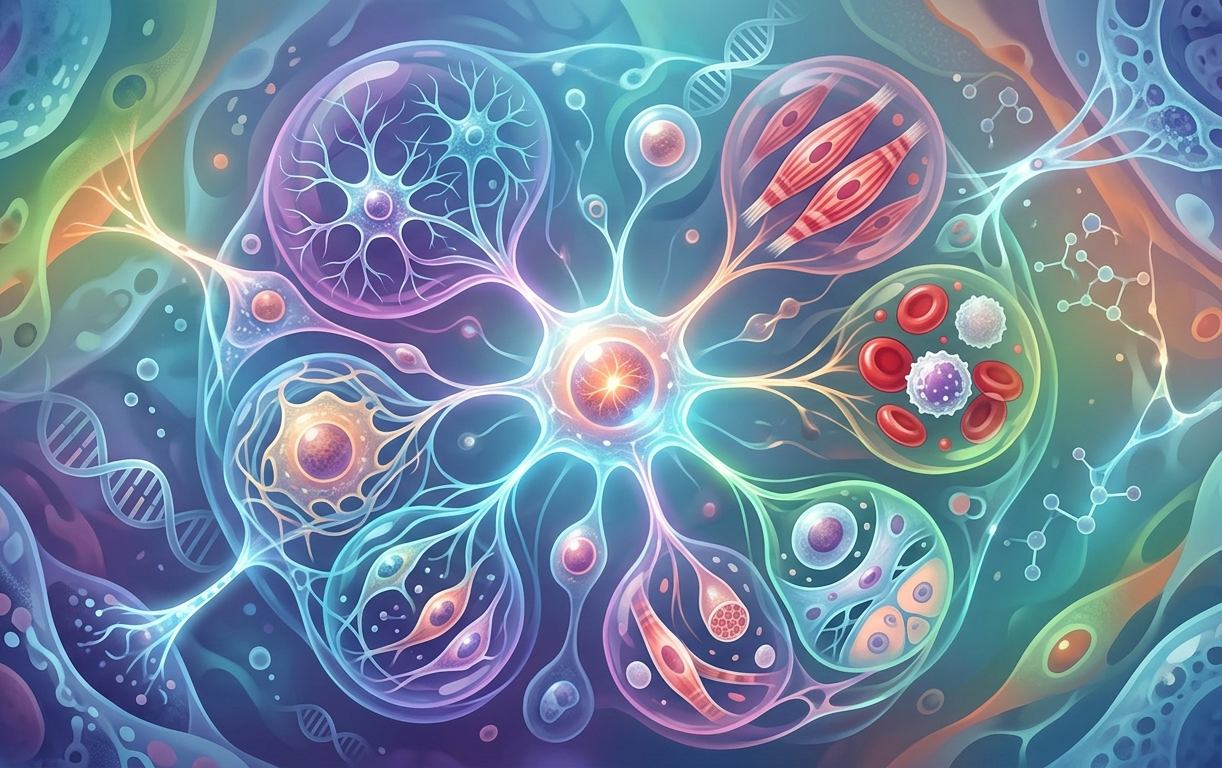
They are undifferentiated cells within the body that possess an amazing capacity to self-renew and differentiate into numerous specialized types of cells such as the muscles, nerves or blood cells. Stem cells, unlike ordinary body cells, are not designated to a role, but their biological repair mechanism is powerful enough to repair or replace diseased or dead cells in the body.
Distinctive Characteristics of Stem Cells
These cells stand out for various key properties. A few are shared here that help them as a best option in regenerative medicine:
- Self-renewal properties. Stem cells have the ability to multiply many times and generate an exact copy of themselves, assuring of a constant supply of cells to repair and maintain the body.
- Differentiation abilities. These cells have an ability to develop into specialized body cells, in the form of neurons, cardiomyocytes, hepatocytes, blood cells, and other such possibilities.
- Plasticity features. The stem cells can adjust and differentiate their activity based on the needs of the body.
- Regenerative abilities that aid these cells to heal or substitute the harmed tissues rendering them vital in healing and recovery.
- Regenerative capabilities that help these cells repair or replace damaged tissues, making them essential for healing and recovery.
Major Types of Stem Cells Based on Their Origin
Based on the original and potential of stem cells, they are divided into the following major types:
1. Embryonic Stem Cells
They are derived from early-stage embryos. Typically, they are pluripotent. They can become almost any cell type in the body. Though ethically controversial, these cells are highly powerful options in the body.
2. Adult Stem Cells
These cells are found in tissues like bone marrow and fat. They are usually multipotent. This means they have limited differentiation ability. These cells are commonly used in therapies. Hematopoietic and mesenchymal stem cells are the commonest examples.
3. Perinatal Stem Cells
These cells are highly versatile and found in the umbilical cord blood, placenta and amniotic fluid, and are increasingly used in regenerative therapies.
Potency-Based Stem Cell Classification
Stem Cell Type |
Differentiation Ability |
Description |
Totipotent |
Highest |
Can form an entire organism, including all tissues and extraembryonic structures |
Pluripotent |
Very High |
Can develop into almost all cell types of the body |
Multipotent |
Moderate |
Can differentiate into a limited range of related cell types |
Unipotent |
Lowest |
Can produce only one specific type of cell |
Defining Regenerative Medicine
It is an arm of sophisticated medical science that deals with repairing damaged tissues, repairing lost cells and restoring organ functions. Regenerative medicine is completely opposite of the conventional method of therapy. It focuses on healing the disease on a comprehensive level and offering promising outcomes. The fundamental element of this area is stem cells.
What is Stem Cell Therapy and How can it be used in Regenerative Medicine?
Stem cell therapy as discussed is a form of regenerative medicine whereby the body uses the stem cells to regenerate, repair and grow damaged cells and tissues. The most prevalent treatments are stem cell therapy for autism, erectile dysfunction, diabetes, and so on. The particular functions of stem cells in regenerative medicine are tissue repair and regeneration and chronic disease treatment.
A Glimpse of the Overall Working of Stem Cell Therapy
The treatment involves several steps. The basics include stem cell collection where the cells are extracted from sources, such as bone marrow, fat tissues, umbilical cord, and others. Cells processing, where the cells are isolated, purified, and sometimes modified.
The next step is the transplantation stage. Here, the stem cells are injected into the damaged area. At last, the cells are differentiated and repair the damaged tissues.
Ready to take the next step? Explore our stem cell treatment options.
Stem Cell Research in Pakistan – An Emerging Field
The country is gradually entering the field of regenerative medicine. Though the progress is slow due to the limited research finding, lack of advanced infrastructure, and regulatory gaps, it’s evolving over time. The potential is enormous. According to the researchers, the potential of the treatment is enormous.
The therapies are highly cost-effective for chronic disease. Stem cell therapy is one of the growing interests in medical researches. It has an increasing number of trials as well. Researchers emphasize a lot the need for strong policies, ethical research frameworks, and a high investment in biotechnology. This will help fully unlock the benefits of stem cell therapies for patients.
Some Latest Advancements in Regenerative Medicine
The field is continuously evolving. Countless patients are preferring and referring this treatment for various diseases, such as stem cell therapy for infertility, arthritis, liver cirrhosis, and other disorders. The following list shows the advancements in regenerative medicine due to the upgradation of stem cell therapies:
1. Gene editing
2. 3D bioprinting
3. Personalized medicine advancement
4. Neural regeneration therapies
What is the Future of Stem Cells & Regenerative Medicine?
Stem cells and regenerative medicine have tremendous potential in the future. The introduction of this advanced-grade procedure can make organ regeneration a common practice, curable chronic diseases, and even a longer life span as the years progress. Nevertheless, the success rate can be influenced by the level of scientific breakthroughs, ethical practices and international cooperation.
Concluding Remarks
Stem cells are the very beneficial undifferentiated cells in the body. Their medical usage is beyond words to explain. Their role in regenerative medicine and therapies is extraordinary. The future of stem cells, regenerative therapies, and stem cell treatments is also very promising. For Pakistani patients, this advanced treatment method is doing wonders on a large scale.