Amniotic Stem Cells: Benefits, Uses, and Future Potential
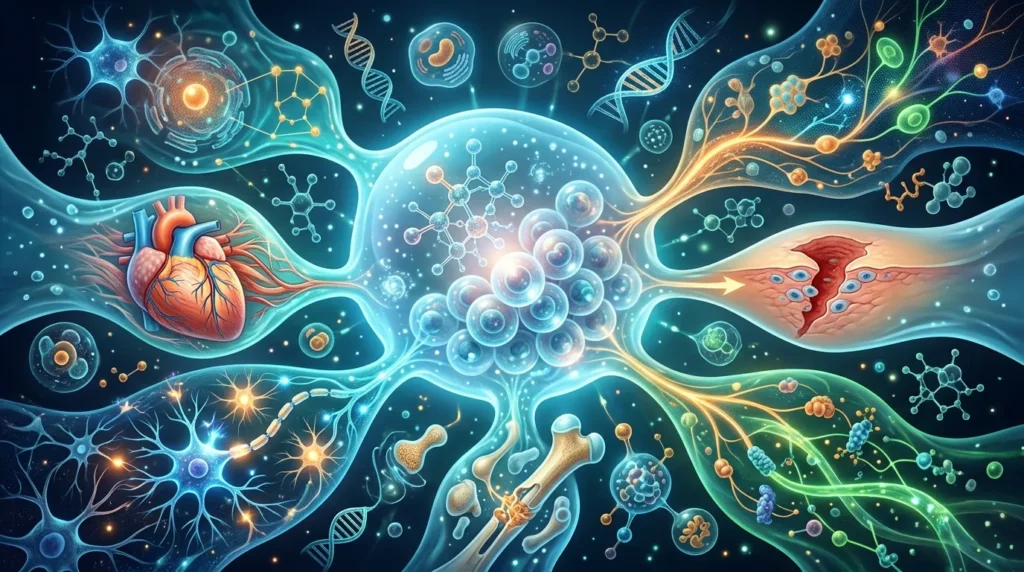
Amniotic stem cells (ASC) are an emerging and promising stem cell type that falls between embryonic and adult stem cells. Derived from the amniotic fluid and the amniotic membrane that surround a developing fetus, these cells have unique characteristics, including a high differentiation capacity, minimal ethical concerns, and low immunogenicity.
Amniotic stem cells have been a focus of interest in recent years in the fields of regenerative medicine, tissue engineering, and clinical research. At Njinsky Medical Centre, these cells are widely used to treat different types of diseases. This article delves into every major aspect of amniotic stem cells, such as their origin, characteristics, types, collection methods, applications, advantages, limitations, and potential future.
An Overview of Amniotic Stem Cells
Amniotic stem cells are stem cells obtained from the amniotic fluid and the amniotic membrane, the innermost layer of the fetal membranes surrounding the fetus. These cells have features of both pluripotent and multipotent stem cells – they can form a wide variety of cell types, but not as many as embryonic stem cells.
They are especially valued because they are:
- Ethically acceptable
- Safe to collect without harming the fetus
- Highly regenerative
The Major Types of Amniotic Stem Cells
These cells are divided into two main categories:
1. Amniotic Fluid-Derived Stem Cells
These are obtained from the amniotic fluid, usually during a procedure such as amniocentesis.
Characteristics:
- High proliferation rate
- Ability to differentiate into multiple cell types
- Express markers of pluripotency
2. Amniotic Membrane-Derived Stem Cells
They are obtained from the amniotic membrane after birth.
Subtypes:
- Amniotic epithelial cells
- Amniotic mesenchymal stromal cells
Characteristics:
- Strong anti-inflammatory properties
- Immunomodulatory effects
- High regenerative capacity
Key characteristics of these Cells
1. Ability to Differentiate into Many Cell Types
They are capable of becoming different kinds of cells, such as:
- Bone cells
- Cartilage cells
- Muscle cells
- Nerve cells
- Liver cells
2. High Proliferation Rate
They proliferate rapidly, which makes them a valuable therapeutic resource.
3. Low Immunogenicity
They are less likely to trigger immune rejection, which is an advantage in transplantation.
4. Anti-Inflammatory Properties
They may help reduce inflammation and promote wound healing.
5. Non-Tumorigenic Nature
They do not carry the same risk of forming tumors as embryonic stem cells.
Sources and Collection Methods
1. Amniotic Fluid Collection
Procedure:
- Performed through amniocentesis
A small amount of fluid is withdrawn using a needle. It is usually performed during pregnancy for diagnostic purposes.
Advantages:
- Minimally invasive
- Can provide viable stem cells
2. Amniotic Membrane Collection
Procedure:
- Collected after childbirth
- Poses no risk to the mother or baby
- Typically obtained following a cesarean or vaginal delivery
Processing:
The tissue is cleaned and sterilized, after which stem cells are extracted and cultured in the laboratory.
Biological Functions
Amniotic stem cells are multifunctional and serve several important functions:
- Supporting fetal development
- Promoting tissue repair
- Modulating immune responses
- Reducing inflammation
- Enhancing wound healing
Applications of Amniotic Stem Cells
1. Regenerative Medicine
Amniotic stem cells help repair and regenerate damaged tissues.
Potential Uses:
Bone or cartilage repair
- Skin regeneration
- Muscle repair
2. Wound Healing
They have a broad spectrum of uses in the treatment of:
- Burns
- Chronic wounds
- Diabetic ulcers
They possess anti-inflammatory and regenerative properties that stimulate the healing process.
3. Orthopedic Treatments
Used for:
- Joint repair
- Cartilage regeneration
- Tendon injuries
4. Disorders of the Nervous System (Research Phase)
Potential applications include:
- Spinal cord injuries
- Neurodegenerative diseases
Limitations and Challenges
Despite their potential, amniotic stem cells have some limitations:
- They have a more limited differentiation potential than embryonic stem cells.
- Isolation and application protocols are not yet standardized.
- Long-term safety and efficacy still need to be established.
- They require advanced cryopreservation methods.
Ethical Considerations
Amniotic stem cells are ethically favorable for several reasons. Their collection does not involve destroying embryos, and they are typically obtained from tissue that would otherwise be discarded as medical waste after birth. Although informed consent is required, their use raises only limited ethical concerns. As a result, they are generally well accepted across different ethnic and religious groups.
Comparison with Other Stem Cells
Feature | Amniotic Stem Cells | Embryonic Stem Cells | Adult Stem Cells |
Potency | Multipotent / Broad | Pluripotent | Multipotent |
Ethical Issues | Low | High | Low |
Tumor Risk | Low | High | Very Low |
Availability | High | Limited | Moderate |
Clinical Use | Emerging | Experimental | Established |
Recent Advances in Research
1. Tissue Engineering
Combining ASCs with biomaterials to produce functional tissues.
2. Stem Cell Banking
Collecting and storing amniotic tissue for future medical use.
3. Clinical Trials
Ongoing research into applications in:
- Orthopedics
- Cardiology
- Neurology
4. Combination Therapies
Using ASCs together with growth factors and biomolecules to enhance results.
Future Prospects
- Advanced regenerative therapies
- Personalized medicine applications
- New techniques in wound healing treatment
- Organ repair and regeneration
Conclusion
Amniotic stem cells are a highly adaptable and potent resource in current regenerative medicine. They offer several advantages over other stem cell types, including high proliferation, low immunogenicity, and strong healing properties.
Research into their applications is ongoing, and they are already making an impact in the fields of wound healing, orthopedics, neurology, and cosmetic medicine. With continued research, amniotic stem cells may become a major part of medical treatments in the future.
Reach out to Njinsky Medical Centre for more details and effective stem cell therapies for different diseases. Here, you get industry-leading stem cell therapy for autism, ED, eye diseases, and more. Contact us today to book an appointment with experienced clinicians and specialists for promising results.

Njinsky Medical Centre
At Njinsky, we specialize in cutting-edge stem cell treatments to heal untreatable ailments, regenerate cells, and revitalize the body and brain. With expert research and care, we redefine age, disease, and pain, offering a healthier, pain-free future through regenerative medicine.
Contact Information

Amniotic Stem Cells: Benefits, Uses, and Future Potential
admin
October 29, 2026