
Types of Stem Cells and Their Role in Regenerative Medicine
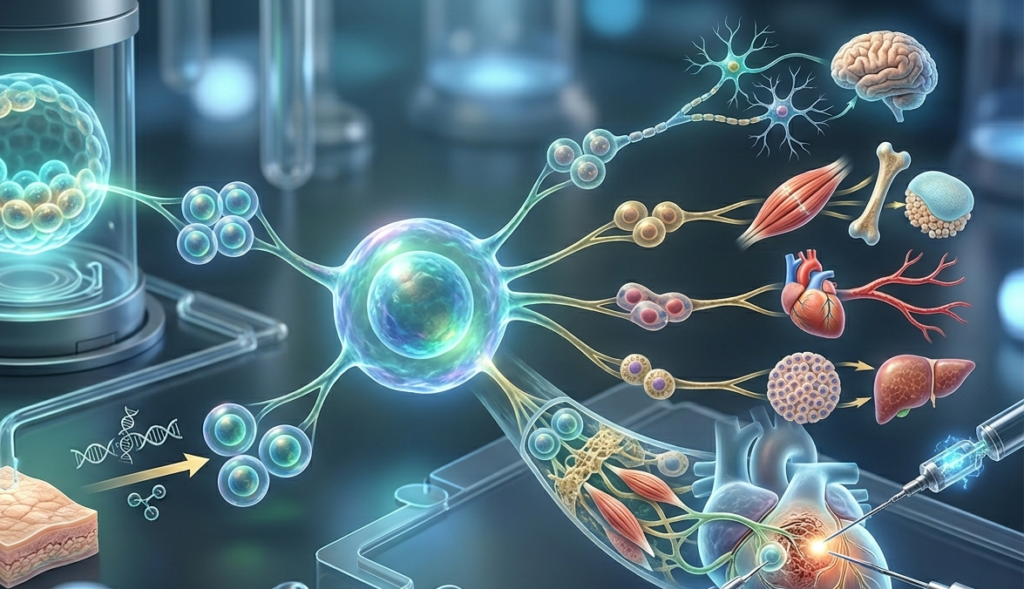
Stem cells are the foundation of regenerative medicine. They are undifferentiated cells, but have an amazing ability to differentiate into other specialized cells. These cells are renowned for their self-renewal ability. This makes them best for growth, repair, and healing. In recent years, this advanced therapy has gained global attention. Countless UAE patients have taken this treatment for more promising results.
That’s why understanding the types of stem cells is necessary for all, especially the ones looking for modern medical treatments and regenerative therapies. Remember that not all stem cells are the same. They differ from each other in terms of their origin and potential. They also differ because of their functions. Each type has a specific role in the body. Let’s discuss all the major types of stem cells in detail and their role in modern medicine.
Introducing Stem Cells Medically
These are undifferentiated cells with no specific function. Unlike normal cells of the body, stem cells can self-renew and transform into specialized cells. The most common examples of differentiation are muscle cells, nerve cells, and blood cells. The self-renewal and differentiation properties of these cells make them one of the best natural repair systems in the body. It means, if you have any damaged or dead cells in the body, stem cells can help in their regeneration and repair.
Factors on Which Stem Cells are Classified
There are two main ways by which these cells are classified. First is the differentiation potential of each cell. This classification focuses on what types of cells the stem cells can become. Next is the source of the cell. All types of stem cells originate from different sources. Therefore, it’s important to know where the stem cells come from. Both classifications are important. They show how stem cells are used in research and therapies.
Classification of Stem Cells on the Basis of Their Differentiation Potential
Here is a brief overview of cells, classified on the basis of their differentiation potential:
1. Totipotent Stem Cells
They are the most powerful types of stem cells because they can develop into all cell types in the body. These cells exist only for a shorter period after fertilization. Totipotent stem cells are potent enough to form an entire organism. They are responsible for the formation of a complete human body during early development.
2. Pluripotent Stem Cells
These cells can also develop into almost all types of cells in the body. However, they cannot form extra-embryonic tissues. These cell types are potent enough to form cells from all three germ layers. They are highly versatile and capable of extensive self-renewal. Embryonic stem cells and induced pluripotent stem cells are the most common examples of this cell type.
3. Multipotent Stem Cells
They are more specialized cells in the body. They can only develop into a limited range of cell types within a specific tissue or organ. Their key characteristics include restricted differentiation and responsibility for tissue maintenance. These cells are typically found in various tissues of the body. HSCs and MSCs are the most common examples. The major advantages of these cells are that they are safer than pluripotent cells and offer a lower risk of tumor formation.
4. Oligopotent Stem Cells
These unique cell types stand out for their differentiation capacity. They have limited differentiated ability and are found in specific tissues of the body. Lymphoid and myeloid stem cells are the commonest examples. Oligopotent stem cells play a crucial role in maintaining specific cell lineages.
5. Unipotent Stem Cells
They are the most specialized cell type in the body. As the name indicates, these cells can just produce one type of cell. Though they have a limited differentiation ability, they stand out for their self-renewal property. Unipotent stem cells are very important for tissue maintenance. Skin stem cells are the most famous example.
Division of Stem Cells on the Basis of Their Sources
Besides potency, the stem cells are also classified on the basis of their origination. The following are the most common types of stem cells, divided on the basis of their sources:
1. Embryonic Stem Cells
Derived from early-stage embryos, these cells are pluripotent and highly versatile. They can develop into almost all cell types and have a very high regenerative potential. However, their self-renewal properties are unlimited. These cells are used in research and drug development. They are highly preferred in the study of developmental biology.
2. Adult Stem Cells
They are found in mature tissues and are usually multipotent. Their common sources are bone marrow, fat tissue, and blood. These cells have limited differentiated capabilities and are necessary for tissue repair. Adult stem cells are widely used in stem cell therapy for treating various conditions, such as joint damage and tissue injuries.
3. Mesenchymal Stem Cells
They are a type of adult stem cell and are widely used in regenerative medicine. Their common sources are bone marrow, adipose tissues, and the umbilical cord. These cells can differentiate into bone and cartilage. They are capable of reducing inflammation and supporting immune regulation.
4. Hematopoietic Stem Cells
These amazing cell types are responsible for producing blood cells. They are located in the bone marrow and blood. Their general functions include the generation of red blood cells and the production of white blood cells. These cells are potent enough to support immune function.
Choosing the Right Type of Stem Cell
The choice of stem cells depends on:
- Type of disease
- Treatment goal
- Patient condition
- Safety considerations
In clinical settings, adult stem cells and mesenchymal stem cells are most commonly used due to their safety and effectiveness.
Conclusion
Knowing the different types of stem cells is crucial for those in the field of regenerative medicine. Every type has its own characteristics, strengths, and weaknesses.
Stem cells, from totipotent cells capable of everything to unipotent cells that can only produce a single type of cell, are a vital part of biology and therapy. Stem cell therapy is increasingly being used to treat a range of serious diseases.
As technology and research continue to evolve, stem cells will be a mainstay of the future. As efforts increase in places such as the UAE, the development of stem cell therapy in the UAE is expected to continue, offering new and effective therapies.
Stem cells are more than just an innovation. They are a new paradigm for health care – one that is focused on restoration, regeneration, and recovery.

Njinsky Medical Centre
At Njinsky, we specialize in cutting-edge stem cell treatments to heal untreatable ailments, regenerate cells, and revitalize the body and brain. With expert research and care, we redefine age, disease, and pain, offering a healthier, pain-free future through regenerative medicine.
Contact Information
Advantages and Limitations of Stem Cell Therapy
admin
June 30, 2026