
Stem Cells Explained: Understanding Stem Cells in UAE
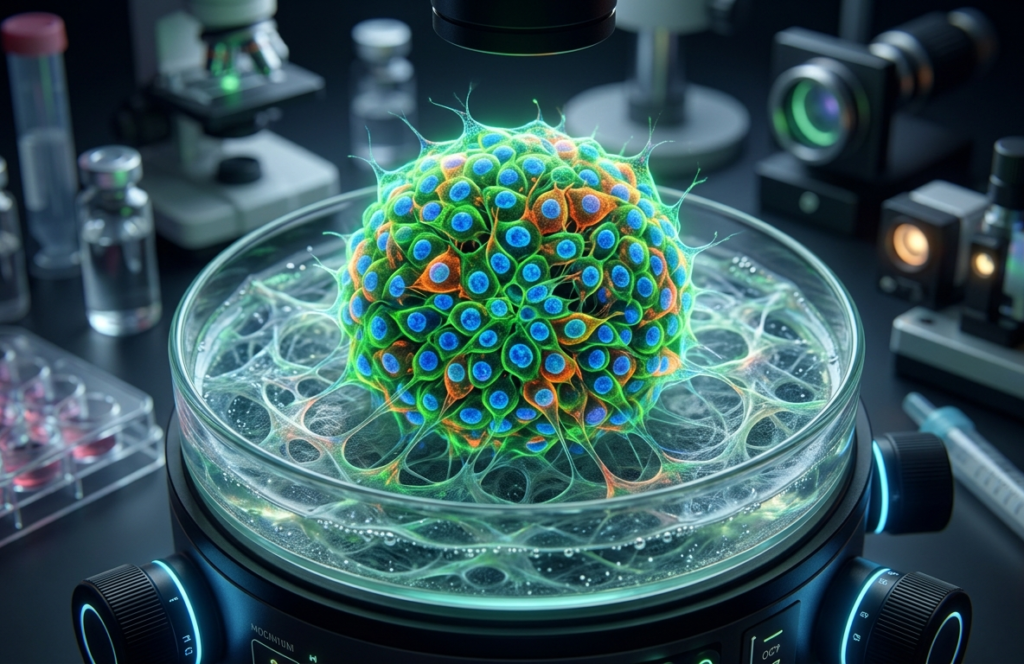
Stem cells are all the rage in the 21st century. They are among the most promising topics in the field of regenerative medicine. Stem cells are the future of treating disease, from symptomatic relief to repair and regeneration.
Stem cells repair and regenerate damaged tissues. So, they not only treat disease and offer symptomatic treatment. In this blog, you will get a comprehensive yet professional introduction to stem cells. In this post, you will get to know about the types and functions of these cells and how they play a key role in the treatment of diseases.
Stem Cells in Medical Context
They are special cells found in our body. These cells comprise the following two distinct properties:
- Self-renewal – the capacity to make more stem cells by dividing.
- Potency – the capacity to develop into a variety of different cell types, like muscle cells, nerve cells, or blood cells.
Stem cells are not like other cells. This means they can serve as internal repair cells. They can differentiate into new cells to repair damaged tissues, which may result from injury or natural degeneration.
The Most Unique yet Functional Properties of these Cells
- Self-Renewal Stem cells can divide many times while maintaining their function. This is important for the maintenance of tissues.
- Potency Potency is the ability of stem cells to give rise to other cell types. Different stem cells have different degrees of potency.
- Unspecialized Nature Stem cells don’t have a specific function until they are induced to differentiate.
A Quick Division of Stem Cells
1. Based on Differentiation Potential
|
2. Based on Source
|
3. Common Examples of Adult Stem Cells
|
Functions of Stem Cells
Stem cells have a number of important functions.
- Tissue Regeneration
They replenish damaged or lost cells in tissues like skin, blood, and muscle.
- Repair Mechanism
Stem cells move to injury sites to repair tissues.
- Immune System Support
Some stem cells modulate the immune system and inflammation.
- Development and Growth
Stem cells are used to create all organs and tissues during development.
How Stem Cells Work
Stem cells respond to signals from the body. These signals can be:
- Injured tissues
- Chemical signals (growth factors)
- Environmental conditions
When stem cells are activated, they:
- Multiply
- Become the right type of cell
- Be incorporated into the damaged tissue. This helps to re-establish the function of the damaged tissue.
How to Process Stem Cells
Stem cell therapy comprises a number of steps. These need to be tightly regulated for safety and efficacy.
During the collection, stem cells are taken from:
- Bone marrow
- Adipose (fat) tissue
- Blood
- Umbilical cord
It depends on the medical treatment and the patient’s health.
Isolation
Once collected, stem cells are purified from other cells in laboratory procedures, including:
- Centrifugation
- Filtration
- Cell sorting
Culturing (Optional)
Sometimes, stem cells are cultured to expand the number of cells.
- Must be done in a sterile environment
- Expansion with growth factors
Processing and Quality Testing
Stem cells are tested for:
- Viability (cell survival rate)
- Purity
- Contamination
- Genetic stability
Storage (If Needed)
Stem cells can be frozen (cryopreserved) for later use.
- Kept at super-cooled temperatures
- Maintains long-term viability
Administration
Stem cells are injected into the body by:
- Intravenous injection
- Injection into joints or tissues
- Surgical implantation
Diseases Treated with Stem Cells
Stem cell therapy is used in both conventional and experimental therapies.
1. Blood Disorders
Stem cells are commonly used to treat:
- Leukemia
- Lymphoma
- Thalassemia
- Sickle cell anemia
This includes bone marrow transplants.
2. Orthopedic Conditions
Stem cells repair bone and joint injuries, including:
- Osteoarthritis
- Ligament injuries
- Tendon damage
- Cartilage defects
3. Neurological Disorders
Research is ongoing for conditions like:
- Parkinson’s disease
- Alzheimer’s disease
- Multiple sclerosis
- Spinal cord injuries
Stem cells can regrow nerve cells.
4. Cardiovascular Diseases
Stem cells can replace damaged heart muscle if you have:
- Heart attacks
- Chronic heart disease
They stimulate blood vessel growth and enhance heart function.
5. Autoimmune Diseases
Stem cells can modulate the immune system in:
- Rheumatoid arthritis
- Lupus
- Crohn’s disease
6. Diabetes
The aim of research is to regrow insulin-producing cells in Type 1 diabetes.
7. Wound Healing
Stem cells accelerate healing in:
- Burns
- Chronic wounds
- Cosmetic procedures
8. Hair Loss Treatments
Stem cells help to activate hair follicles and regrow hair in cases such as androgenetic alopecia.
Advantages of Stem Cell Therapy
- Often less invasive than other methods
- Eliminates large surgery
- Promotes natural healing
- Does not trigger an immune response (with autologous cells)
- Can treat conditions with limited options
Final Thoughts
The stem cells are a potent treatment option in medicine. They can repair or regenerate damaged tissues. But the research is still in progress. Some treatments are currently available; others are still being investigated.
Patients need to be careful and follow procedures recommended by their doctors. At Njinsky Medical Centre, you get the experts’ guidance and treatment at cost-effective prices. Promising treatment options are available in ISO-certified biosafety level 2 labs. Feel free to get in contact with the most professional doctors available at Njinsky.

Njinsky Medical Centre
At Njinsky, we specialize in cutting-edge stem cell treatments to heal untreatable ailments, regenerate cells, and revitalize the body and brain. With expert research and care, we redefine age, disease, and pain, offering a healthier, pain-free future through regenerative medicine.
Contact Information
Advantages and Limitations of Stem Cell Therapy
admin
June 30, 2026