
Advantages and Limitations of Stem Cell Therapy
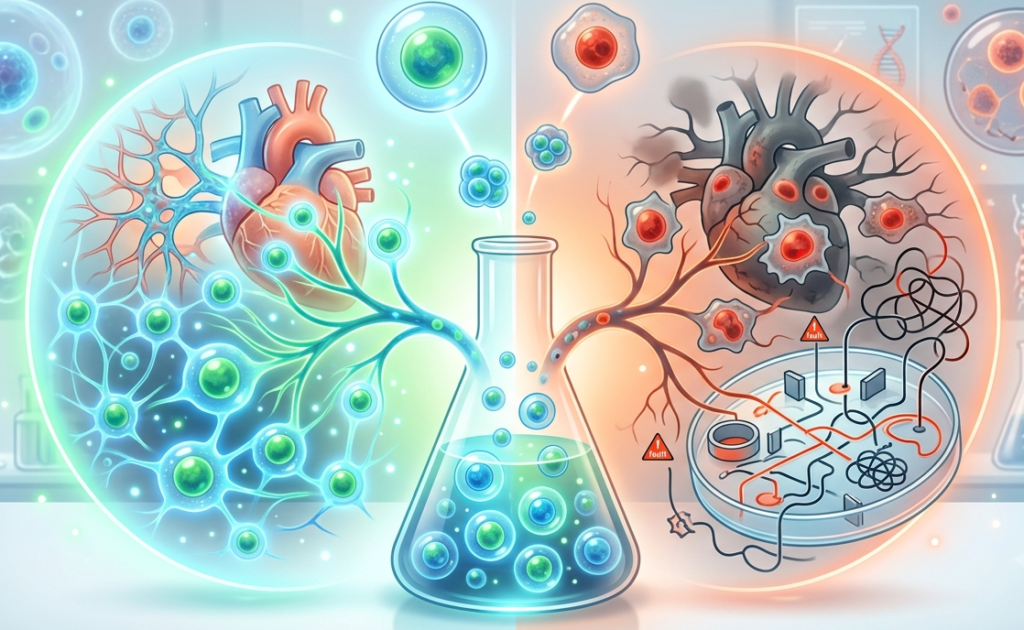
Stem cell therapy offers significant advantages for a wide variety of medical conditions but it also carries some risks. Cell therapy is one of the most revolutionary advances in modern medicine. It has the power to repair, regenerate and restore damaged tissues. It provides hope for conditions once thought to be incurable. Whether it’s combating degenerative conditions or aiding in recovery from injuries, or even cosmetic rejuvenation, stem cell therapy is pushing the limits of healthcare.
Such a sophisticated medical procedure does have its amazing benefits and some drawbacks that need to be clearly understood. This article delves into the potential of stem cell therapy and outlines its limitations objectively and professionally.
Understanding Stem Cell Therapy
Stem cell therapy is the process of using stem cells, the undifferentiated cells that can give rise to specialized cells. This helps repair or replace damaged tissues. These cells may come from these different sources:
- Bone marrow
- Adipose (fat) tissue
- Umbilical cord blood
- Amniotic tissue
- Laboratory-engineered sources
In the body, stem cells can either become the cell type needed or they can secrete bioactive molecules that promote healing.
The Marvelous Benefits of Stem Cell Treatment
1. True Regenerative Healing
One of the biggest benefits of stem cell treatment is that it actually stimulates tissue repair, rather than just symptom relief.
Stem cell therapy is much more powerful than conventional treatments that typically target pain and disease progression. It repairs the damaged cell at the source. Activates the natural repair processes and restores the function of the normal cell. This is just a higher-level therapeutic method.
Traditional treatments focus on decreasing inflammation and pain, but don’t actually treat the cartilage damage in case of osteoarthritis. Stem cell injections, on the other hand, have a qualitatively different aim of injecting regenerative cells directly into the joint to regenerate cartilage and restore movement in many patients. This helps avoid the necessity of joint replacement surgery.
2. Treatment for Diseases That Once Rocked You to Your Very Core
Stem cell therapy is unlocking new possibilities for the treatment of diseases that previously seemed untreatable or very challenging. It is used for neurodegenerative diseases, like Parkinson’s disease. Diabetes and various autoimmune disorders are also curable with this advanced method.
This treatment is a fresh source of hope for a lot of patients who may have few alternatives for conventional medicines. In Parkinson’s disease, for example, researchers are investigating the replacement of the lost dopamine-producing cells with stem-cell-derived dopamine-producing neurons.
In the same way, for type-1 diabetes, stem-cell-derived beta cells that generate insulin have proved effective in research and may help patients avoid the need for insulin injections for life. Although these applications are still in the early stages of development for clinical use, the outcomes for the proof-of-concept are very promising.
3. Minimally Invasive Procedures
Many stem cell therapies are performed without surgery or minimally invasive procedures, including injections, infusions, and even liposuction or bone marrow aspiration. This means less physical stress and quicker recovery times are ensured.
This is a considerable practical benefit, especially for the elderly or immunocompromised patient who may not be good surgical candidates.
4. Lower Chance of Immune Rejection
If the stem cells are taken from the individual’s own body (autologous) then the chances of rejection are greatly reduced. This results in better compatibility, fewer complications, and a better treatment outcome.
This is in marked contrast to organ transplantation, where donor/recipient matching is a complex process and recipients have to take life-long immunosuppressant drugs that have serious side effects. In an autologic stem cell transplant, the patient’s own stem cells are removed, treated and reimplanted, and the body is unlikely to respond as a defence. Such compatibility is one of the advantages of the autologous approach in clinical practice today.
5. Anti-Inflammatory and Immunomodulatory Effects
Stem cells have not only regenerative power, but the power to regulate the immune system is also present in them. They can decrease chronic inflammation, regulate immune function, and help to create a healthy environment for healing. This is especially helpful with autoimmune and inflammatory diseases like rheumatoid arthritis, multiple sclerosis, Crohn’s disease and lupus.
Importantly, the immunomodulatory properties of stem cells are mediated in a paracrine fashion, which implies that stem cells are not always required to permanently “home” to tissue to exert their immunomodulatory activity. Just a temporary occurrence can reset dysregulated immune responses, opening the door for stem cell therapy to be used in even more inflammatory diseases than first thought.
6. Recovery and Healing are Quicker and Easier
Stem cell therapy speeds up the body’s natural healing by increasing cell repair, promoting the growth of blood vessels (angiogenesis) and inhibiting the development of scar tissue. Patients have shorter recovery times, better function and a better quality of life.
This ability has been the subject of much interest in sports medicine. In recent years, stem cell therapies have become popular in the treatment of tendon injuries, ligament tears and stress fractures and have helped athletes get back on the field faster. Preliminary clinical results have indicated there may be a significant time savings benefit during recovery using stem cells over standard rehabilitation, but larger randomized controlled studies are still in development to identify standard recovery protocols.
7. The Versatility in Medical Areas
Stem cell therapy is not restricted to one particular field. It can be used in orthopedics for the regeneration of joints and cartilage, in cardiology for the regeneration of heart tissue, in neurology for nerve regeneration, in dermatology for skin rejuvenation and in cosmetic medicine for anti-aging treatments. This versatility is one of the most adaptable treatment modalities that are available today.
For instance, in cardiology, stem cell therapy is being explored as a way of rejuvenating cardiac muscle weakened by a heart attack — a type of muscle that had, until now, been thought to be incapable of meaningful self-repair. In the field of neurology, researchers are investigating stem cell therapies to regain function following stroke, traumatic brain injury and other diseases such as amyotrophic lateral sclerosis (ALS). All these are areas where traditional medicine has traditionally had fewer healing capabilities.
8. Personalized Treatment Approach
Stem cell therapy is a part of personalized medicine, where treatments are customized for each patient. Therapies are more focused, outcomes are better, and risks are reduced, with the use of patient specific cells. This personalized strategy is the way forward in healthcare.
Personalized stem cell therapy is more than just self-stem cells. It’s becoming more and more dependent on genetic analysis to determine the best cell type, delivery system, dose, and, for the individual, what other treatments would be necessary to achieve the best outcome. With the increasing availability and decreasing cost of genomic profiling, the level of precision will continue to increase, and results will go far beyond what can be expected from the standard treatment.
9. Less Long-Term Medication Use
Some chronic diseases depend upon long-term drug treatment, and these drugs may have unwanted side effects. Stem cell therapy has the potential to decrease the need for medications; help treat the root cause of a disease and enhance long-term health outcomes.
Patients suffering from a disease such as MS, RA or some blood disorders will find the idea of having to take less or no medications daily very significant, not only in terms of quality of life but also in terms of long-term cost of treatment. A few stem cell clinical trials have already shown marked decrease in the number of drugs required to treat the disease after treatment whereby some patients have attained complete remission.
10. Weight Loss And Toning
Stem cell therapy is a therapy that is extensively employed in cosmetic treatments because of its rejuvenating properties. The advantages encompass better skin texture and suppleness, loss of wrinkles and fine lines, hair recuperation, and a more characteristic appearance. The results from this procedure is biological regeneration, not mechanical or chemical.
A treatment known as platelet-rich plasma (PRP) and stem cell therapy is especially popular in both the realm of hair restoration and facial rejuvenation. These treatments activate the body’s own regeneration process and provide a more natural-looking and sustained result than numerous mainstream cosmetic procedures – which have potential side effects from synthetic fillers or surgery.
11. Potential for Organ and Tissue Engineering
One of the most promising future uses is to grow tissues and organs in the laboratory. This will make it possible to eliminate organ transplant waiting lists, reduce donor dependence and save many lives.
Stem cells have already been seeded into scaffolds to create bioengineered tissues, such as skin grafts, trachea, bladder wall and even a simple cardiac patch, that have been successfully implanted into patients. The steady progression toward the development of fully functional hearts, kidneys and livers is a viable path to be followed. Leading institutions are improving the technique of organoid technology (small, laboratory-grown models of organs) that could be used in future for transplantation, and are already transforming the way new drugs are tested.
12. Ethical Flexibility using Modern Techniques
The research on stem cells has been a hot topic of discussion, and the use of embryonic stem cells has been a major concern due to ethical issues, but with recent developments, these issues have been significantly taken care of. The development of induced pluripotent stem cells (iPSCs), adult stem cell therapies and the use of stem cells derived from the perinatal period has greatly extended the field and decreased the ethical controversies.
This change has made stem cell research more accepted, expanded access for researchers and institutions to stem cell research, and spurred clinical applications. Nation states that once had strict regulations on stem cell research have gradually revised their regulations to align with more ethically acceptable research methods.
The Practical Challenges of Stem Cell Therapy
Although stem cell therapy has great promise, there are some things to take into account that are not so much drawbacks but growing pains — it’s a field that’s still in its infancy. Such an equilibrium is important for patient, health care and policy decisions.
1. Ongoing Research and Development
The field of stem cell therapy is still a growing one. Numerous treatments have proven to be effective, but there is ongoing research to make them more effective, reproducible and standardised. Results in the laboratory do not always lead to clinical use, and not all experimental therapies that have proved successful in the laboratory make it through the clinical trials process.
Therefore, patients who are thinking of stem cell treatment must be careful to differentiate between the accepted procedures, like hematopoietic stem cell transplantation in the case of blood cancers and those that are still in their experimental stages. In addition, the use of unregulated “stem cell clinics” around the world to provide “promising” but unproven treatments reinforces the importance of educating and scaring patients.
2. Variability in Outcomes
The treatment outcome will differ significantly from patient to patient based on patient age and health, the condition being treated, the quality and source of stem cells and the way the stem cells are infused. This implies that results are not invariably consistent and predictable among patients, even if the treatment protocol seems the same.
Patients with few or no other health issues do better than older patients with multiple health issues. Likewise, diseases which are caught early are usually more amenable to stem cell therapy than ones which have progressed to a later stage where much tissue damage may have occurred so that meaningful regeneration may be impossible. Raising patient expectations is therefore a key responsibility of professionals involved in this field and requires careful management by communicating clearly and honestly on the basis of evidence.
3. The Setting and Approval Differences
The use of stem cell therapies in clinical practice is regulated differently in different countries with regard to which type can be used, who can receive them, and when experimental treatments may be provided. Therapies which are common in one jurisdiction might not be available or in the process of clinical trials in another.
This regulatory mosaic presents a few problems. This can encourage “medical tourism” of patients seeking treatment in countries with less stringent regulation, including treatments that are not approved in their country of origin that may lack adequate safeguards. It also makes it difficult to standardize protocols across the globe so that the data from research can be pooled and best practices can be determined universally. The various regulatory authorities are striving to harmonize, though this process is not complete.
The fact that specialized expertise and infrastructure are required to support the adoption and operation of the WUN is a key drawback.
For stem cell therapy to be a viable option, advanced laboratory infrastructure with the necessary facilities for processing and quality control of cells is essential, alongside highly skilled medical staff with specialized expertise, and stringent clinical protocols for patient safety. This may make it a huge impediment to access, especially in less affluent healthcare environments or areas that have no significant academic medical centers.
The collection, processing, expansion and management of stem cells must adhere to strict standards to ensure that the stem cells sent to the patient are viable, uncontaminated and pure. Any breakdown within this chain can lead to failure in treatment, or potentially serious complications if it fails. A significant investment in infrastructure is needed to develop the therapy, and the workers needed to produce this therapy take years to train, which is why the therapy is currently concentrated in specialized centers.
4. Cost Considerations
Stem cell therapy is often more costly than standard treatments, especially if it’s not covered by health insurance or national health care systems, and its advanced and labor-intensive nature makes it a much more costly option. Therapy prices can be extremely different, depending on the type of therapy, the condition being treated, and the country where the therapy is being administered.
In some cases, where some insurance coverage is provided, the cost of treatments like the autologous stem cell transplantation for blood cancers can exceed tens of thousands of pounds or dollars. Many times the out-of-pocket expenses for individuals receiving experimental treatments or treatments given in private clinics can be so high that the cost is overwhelming. As it matures and production processes become more efficient and scalable, costs are likely to fall but at present there is a serious financial constraint for many potential beneficiaries.
5. Unintended Behavior of the Cell
Another, less widely known limitation, from a scientific point of view, is the possibility of unpredictable behavior of the transplanted stem cells once inside the body. Undifferentiated stem cells are able to multiply and, in certain situations, this can theoretical cause unwanted tissue growth or, extremely rarely, the development of abnormal growths called tumorigenesis.
This risk is most closely linked to pluripotent stem cells, and is one of the reasons that the careful pre-clinical testing and post-transplant monitoring are thought to be essential to any well-designed stem cell therapy program. The risk is gradually being minimized by advances in the knowledge of molecular signals that direct cell differentiation, but is still a current safety research focus.
The future of Stem Cell Therapy
Stem cell therapy has an amazing future to look forward to. On-going developments in gene editing, tissue engineering, cell expansion methods and clinical research techniques are progressively addressing the current challenges that limit gene editing. More standardized, reproducible treatments, increased availability due to infrastructure and expertise, greater success rates with improved patient selection criteria, and lower costs with larger production runs are all expected as these treatments become more available and widely distributed across the globe.
Stem cell therapy is rapidly moving from cutting-edge innovation to mainstream treatment. Blood cancers were once treated with a radical and risky procedure called hematopoietic stem cell transplantation (HSCT), but it is now the standard of care in hundreds of centers around the world. Other applications are also following a path to clinical trial and eventual regulatory clearance and inclusion in routine therapeutic guidelines.
Perhaps the biggest near-term opportunity for scaling access is the development of “off-the-shelf” allogeneic (donor-derived) stem cell products that can be manufactured in standardized batches, tested and stored for immediate use. If they are able to be produced in a quality and safe manner without an unacceptable risk of immune rejection, they may revolutionize stem cell therapy from being a center-specific bespoke treatment to being widely deployable.
Conclusion
Stem cell therapy is truly a paradigm shift in today’s medical practice. Its tissue-regenerating properties, the treatment of previously incurable complex diseases and its role in personalized medicine puts it clearly in the spotlight of medical innovation. It can be used in life-threatening situations and for everything from chronic diseases to cosmetic improvements, and its uses continue to grow exponentially.
Some of these practical constraints are present (such as outcomes are not consistent, the field is heavily regulated, it is expensive, and it requires a degree of special expertise) but they are more of a sign of the field being in transition and in a state of rapid evolution. History has shown that many therapies that’ve changed the face of medicine had to get past a few rough years before they could really take off or get to where they are today; stem cell therapy is going through such a phase.
As people continue to invest in research, consider the policy, and educate patients and practice wisely, the challenges that still lie ahead will be reduced. Stem cell therapy is one of the most important and impactful medical advancements of this century, not only for disease management, but for actual biological healing and restoration.

Njinsky Medical Centre
At Njinsky, we specialize in cutting-edge stem cell treatments to heal untreatable ailments, regenerate cells, and revitalize the body and brain. With expert research and care, we redefine age, disease, and pain, offering a healthier, pain-free future through regenerative medicine.
Contact Information
Advantages and Limitations of Stem Cell Therapy
admin
June 30, 2026