

What is a WHO Biosafety Level 2 Lab & Why it Matters?
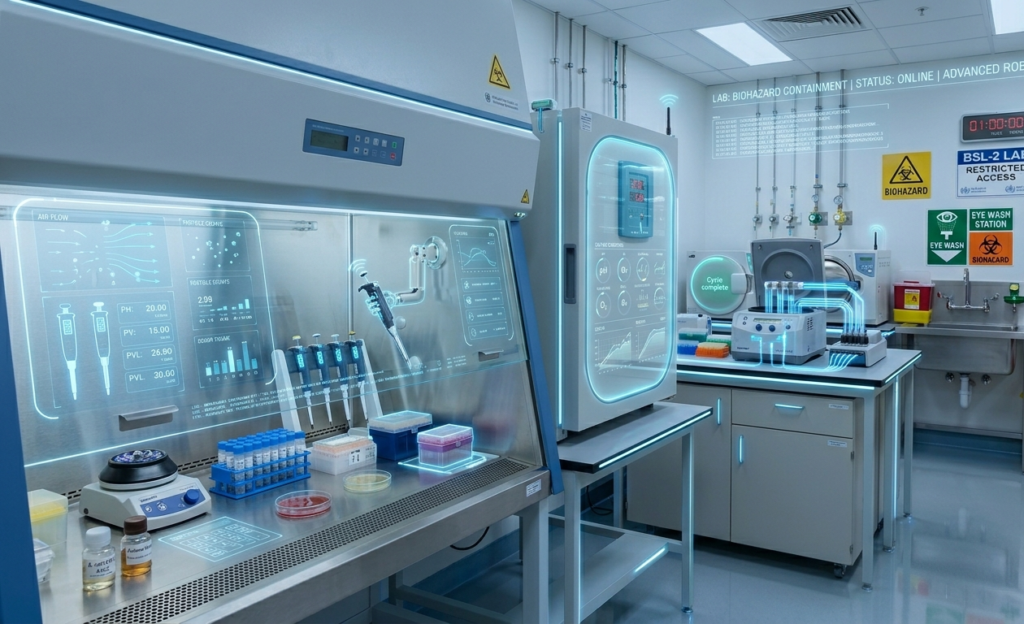
A WHO biosafety level 2 lab is a controlled medical laboratory designed for safe biological work. It handles human cells under strict international safety protocols. The World Health Organization defines these laboratories to protect patients and medical staff. These facilities ensure safe preparation of regenerative therapies before treatment.
Saudi patients increasingly ask how stem cell therapies remain safe during preparation. Treatment safety begins inside the laboratory, not the clinic room. We believe transparency builds patient confidence before medical travel. Understanding laboratory standards helps patients make informed treatment decisions.
Understanding a WHO Biosafety Level 2 Lab
A WHO biosafety level 2 lab operates under controlled environmental conditions. Only trained professionals can access these laboratories. Every procedure follows standardized biological handling protocols. Laboratory systems prevent contamination during medical processing.
Specialized airflow systems maintain sterile working environments. Protective equipment supports safe biological handling. Equipment undergoes regular sterilization and validation checks. Continuous monitoring ensures operational accuracy at all times.
Regenerative medicine depends heavily on laboratory precision. Stem cells remain highly sensitive biological materials. Controlled environments preserve their therapeutic quality. Proper biosafety infrastructure protects treatment effectiveness.
Why Biosafety in Regenerative Medicine Matters
Regenerative therapy uses living biological cells for treatment. These cells require strict environmental control during preparation. This requirement makes biosafety in regenerative medicine essential for clinical success. Safety begins long before therapy administration.
We maintain controlled laboratory workflows during every procedure. Specialists supervise biological handling at each stage. Sterile environments protect cellular stability and performance. Structured biosafety practices support reliable treatment outcomes.
Global health authorities emphasize biosafety as a medical necessity. Proper laboratory control ensures treatment consistency. Patients benefit from therapies prepared under validated systems. Biosafety directly supports patient confidence and medical reliability.
Stem Cell Lab Safety Standards Explained
Stem cell lab safety standards regulate how therapeutic cells are handled. These standards guide collection, preparation, and storage processes. Laboratories must maintain sterile processing conditions continuously. Every step follows documented clinical protocols.
We use biological safety cabinets during cell preparation. Environmental monitoring systems track laboratory cleanliness. Controlled workflows minimize external exposure risks. These practices protect cellular integrity throughout processing.
International regenerative guidelines recommend standardized laboratory governance. Proper systems maintain cell vitality and functionality. Physicians rely on laboratory precision before treatment delivery. Strong safety standards strengthen therapeutic consistency.
The Importance of Cell Processing Safety
Stem cell therapy success depends on laboratory preparation quality. Cell processing safety ensures biological stability during treatment development. Technicians process cells using validated medical procedures. Each stage follows strict quality control measures.
Automated systems monitor temperature and sterility levels continuously. Specialists verify biological activity before clinical use. Controlled processing preserves regenerative potential. Safe preparation supports predictable therapeutic performance.
Proper handling prevents environmental contamination risks. Physicians administer therapy with greater clinical confidence. Patients receive biologically stable regenerative treatments. Laboratory precision directly influences treatment success.
WHO Biosafety Level 2 Labs and Advanced Regenerative Therapy
Advanced cellular medicine requires structured laboratory infrastructure. A WHO biosafety level 2 lab provides this essential foundation. Controlled systems support safe preparation of regenerative therapies. Laboratory governance ensures medical consistency.
We prepare treatments within regulated biosafety environments. Specialists supervise every processing stage carefully. Quality verification occurs before therapy administration. These steps strengthen treatment reliability.
This infrastructure enables advanced regenerative therapy for Saudi patients seeking treatment abroad. Patients benefit from internationally aligned safety systems. Controlled laboratories improve clinical confidence significantly. Safe preparation enhances overall treatment outcomes.
Regenerative Medicine for Liver Cirrhosis
Chronic liver disease continues affecting many patients across the Middle East. Traditional treatments often focus on disease management only. Regenerative medicine introduces biological tissue support. Stem cells assist natural liver repair mechanisms.
Regenerative medicine for liver cirrhosis depends heavily on laboratory preparation quality. Cells require sterile processing before administration. WHO biosafety laboratories maintain cellular functionality during preparation. Controlled handling supports therapeutic effectiveness.
We prepare regenerative therapies under strict laboratory supervision. Specialists ensure biological stability before treatment delivery. Patients receive scientifically prepared cellular therapy. Laboratory safety strengthens clinical reliability.
Stem Cell Treatment for End-Stage Renal Disease
Kidney failure severely affects long-term health stability. Patients often seek supportive regenerative treatment options. Stem cell therapy focuses on improving cellular repair processes. Biological support enhances tissue recovery mechanisms.
Stem cell treatment for end-stage renal disease requires precise laboratory preparation. Controlled processing protects therapeutic cell activity. WHO biosafety level 2 laboratories maintain sterile handling environments. These systems preserve treatment consistency.
We follow validated clinical preparation protocols. Specialists monitor biological quality continuously. Patients receive carefully prepared regenerative therapy. Laboratory governance ensures dependable treatment delivery.
Why Laboratory Certification Matters for Saudi Patients
Saudi patients often evaluate physician expertise before treatment abroad. However, laboratory certification remains equally important. Treatment safety begins inside regulated biosafety facilities. Certified laboratories demonstrate medical responsibility.
We encourage patients to verify laboratory accreditation standards. WHO biosafety compliance reflects structured clinical governance. Transparent laboratory systems build treatment confidence. Patients gain reassurance through regulated preparation processes.
Proper certification supports safe regenerative therapy delivery. Structured biosafety improves treatment predictability. Patients benefit from scientifically controlled environments. Laboratory quality directly impacts medical outcomes.
Pakistan’s Role in Safe Regenerative Medicine
Pakistan continues emerging as a trusted regenerative medicine destination. Advanced centers now operate under international biosafety frameworks. Many facilities maintain WHO-compliant laboratory environments. These systems support safe stem cell preparation.
We provide regenerative therapies supported by controlled laboratory infrastructure. Saudi patients receive advanced treatment with medical supervision. Affordability combines with international safety practices. Structured biosafety ensures treatment reliability.
Cultural familiarity further improves patient comfort during medical travel. Dedicated teams assist throughout treatment and recovery. Personalized coordination strengthens patient experience. Pakistan increasingly connects innovation with accessibility.
The Future of Biosafety in Regenerative Medicine
Laboratory technology continues evolving rapidly worldwide. Automation now improves biological monitoring accuracy. Digital systems track environmental safety conditions continuously. These advancements strengthen biosafety management.
Future laboratories will achieve even higher processing precision. AI-supported systems will enhance quality control further. Regenerative medicine will rely increasingly on advanced biosafety frameworks. Innovation continues improving treatment consistency.
Saudi patients benefit from these scientific advancements today. Modern laboratories ensure responsible therapeutic innovation. Biosafety remains central to regenerative progress. Safe science drives future healthcare transformation.
Final Thoughts
A WHO biosafety level 2 lab forms the foundation of safe regenerative medicine. Proper laboratory environments protect cellular integrity. Controlled preparation ensures treatment consistency and reliability. Every successful therapy begins with biosafety compliance.
We believe informed patients make confident medical decisions. Laboratory safety supports trustworthy regenerative treatment abroad. Pakistan now offers advanced therapies prepared under global biosafety standards. Saudi patients gain access to safe and innovative medical solutions.
Regenerative medicine continues advancing through science and responsibility. Biosafety protects both innovation and patient outcomes. Structured laboratory systems ensure dependable therapy preparation. Safe regenerative healthcare begins inside the laboratory.

Njinsky Medical Center
At Njinsky, we specialize in cutting-edge stem cell treatments to heal untreatable ailments, regenerate cells, and revitalize the body and brain. With expert research and care, we redefine age, disease, and pain, offering a healthier, pain-free future through regenerative medicine.
Disclaimer: Results vary and no specific outcome can be promised.
Contact Information

How Personalized Stem Cell Treatment Improves Outcomes
admin_njinskysaadmin
August 18, 2026