



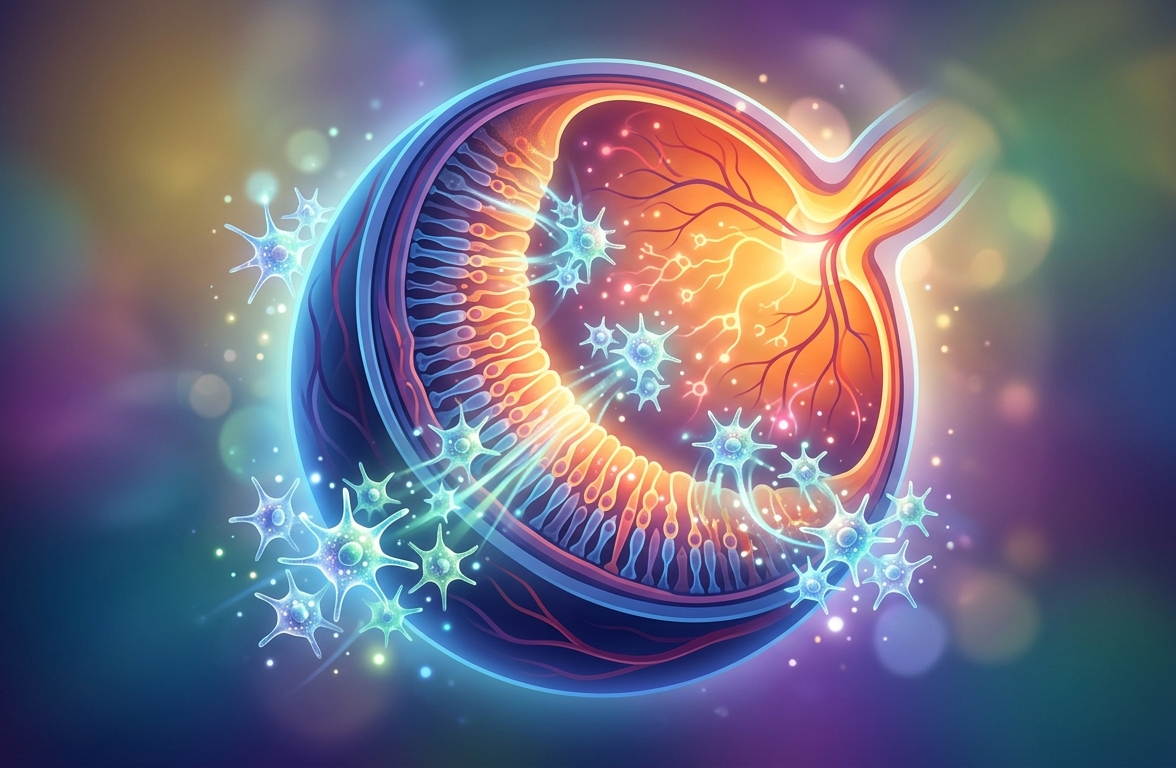
Retinitis pigmentosa is a genetic eye disease which is rare and slowly destroys the retina. This disease causes progressive loss of vision. It mainly occurs in photoreceptor cells of the retina, which takes part in the capture of lights and relaying of visual messages to the brain. As time passes, these cells become weak thus making a person to have trouble seeing in low light, the peripheral vision becomes narrow and finally the vision is seriously impaired. The development of modern medicine however has brought new opportunities of retinitis pigmentosa treatment that offers hope to people affected by this difficult disease. Despite the fact that retinitis pigmentosa is a hereditary disease which does not always have a cure, the timely detection and appropriate treatment may allow the patients to have functional vision over longer periods of their lives.
The Impact of Retinitis Pigmentosa on Vision
The retina is a layer of tissue that is thin and placed at the back of the eye and is used to transform light into signals that are relayed to the brain. As far as retinitis pigmentosa is concerned, the light detecting cells are the rods and the cones, which are progressively destroyed. The night vision and peripheral vision are provided by the rod’s cells. Due to the initial effect of these cells, patients tend to experience a loss of vision in low-light situations. Cone cells which are used to control central vision also can be damaged as the disease worsens. The outcome is progressive constriction of the visual field which is also known as tunnel vision. With the latest treatment for retinitis pigmentosa, the process of retinal can be slowed down.
The Symptoms
The onset of Retinitis pigmentosa is usually gradual and the initial symptoms can be noticed in childhood or teenage years. These include night blindness (the inability to see in the low-light conditions) and decreased peripheral vision (difficult to navigate a crowded area or drive at night). In the course of the disease, a person can lose clarity of his eyesight, face recognition, or high sensitivity to bright light. Since the syndrome may develop over time with several years, several people fail to notice that they are affected by the ailment until they have suffered a lot of retinal damage. Early diagnosis and adequate medical attention will enable patients to examine the retinitis pigmentosa treatment in Pakistan, where specialized eye care services are getting more and more available.
Hereditary Factors Underlying Retinal Degeneration
Retinitis pigmentosa is mainly brought about by genetic mutation that interferes with the activities of the retinal cells. Over fifty genes have been associated with the condition and each one of them influences other parts of the visual system. The disorder can be inherited through various means such as the autosomal dominant, the autosomal recessive or the X-linked pattern. There are also instances when a person might acquire the condition with no history to be known. Genetic testing would enable physicians to determine the exact mutation that causes the disease. With the advancement of the field of scientific research, medical professionals have been seeking new treatment for retinitis pigmentosa in order to slow down or reverse the destruction of the retina.
Traditional Forms of treating Retinitis Pigmentosa
Although the retinitis pigmentosa does not have a universal cure at the moment, there are a number of conventional methods of managing the symptoms and preserving the rest of the vision. Physicians frequently prescribe vitamins, protective eyewear and frequent eye check-ups to check on the development of a disease. Others are able to take advantage of specialized rehabilitation programs involving the teaching of the strategies to help them navigate through their daily life with a limited vision. Despite such supportive therapies, a number of patients still strive to find advanced retinitis pigmentosa treatment to control the biological causes of retinal degeneration.
New Medical Inventions in Vision Care
New developments in biomedical science have provided new possibilities of treating degenerative eye diseases. Gene therapy, retinal implants, and regenerative medicine are some of the methods explored by researchers as an option of restoring visual activity. Regenerative medicine is one of such methods that have attracted a lot of focus due to its ability to restore impaired retinal cells, targets the replacement of tissues and preserve photoreceptor cells that deliver sight. Retinitis pigmentosa treatment in Lahore is another area that patients interested in specialized eye care can consider because in this country, modern medical services and complex treatment options are gaining more and more popularity.
The New Approach in Retinal Repair
One of the best potentials of treatment of degenerative eye diseases is stem cell therapy. This regenerative method will restore damaged retinal cells and enhance the repair of tissue in the eye. Njinsky Medical Centre provides superior regenerative medical treatments, which make use of stem cell treatment in retinitis pigmentosa. This therapy aims at aiding the repair of photoreceptor cells and enhancing retinal activity. Njinsky Medical Centre provides patients with a new alternative to the treatment of retinitis pigmentosa and enhancement of eye stability through the help of the complex regenerative treatment.
A Brighter Future of People with Retinal Disorders
Retinitis pigmentosa is still an enigmatic disease posing serious problems to the patients and their families. Nevertheless, there are still possibilities of management and treatment of this disease due to the constant scientific research that is being conducted. With the early diagnosis, supportive treatments as well as availability of novel medical therapies, patients with retinitis pigmentosa can live independently and enhance their quality of life. Regenerative medicine is one of the most promising trends in ophthalmology as it promises to restore the lost retinal cells and slow the rate of eyesight deterioration.