


Why Quality Control Matters in Stem Cell Therapy
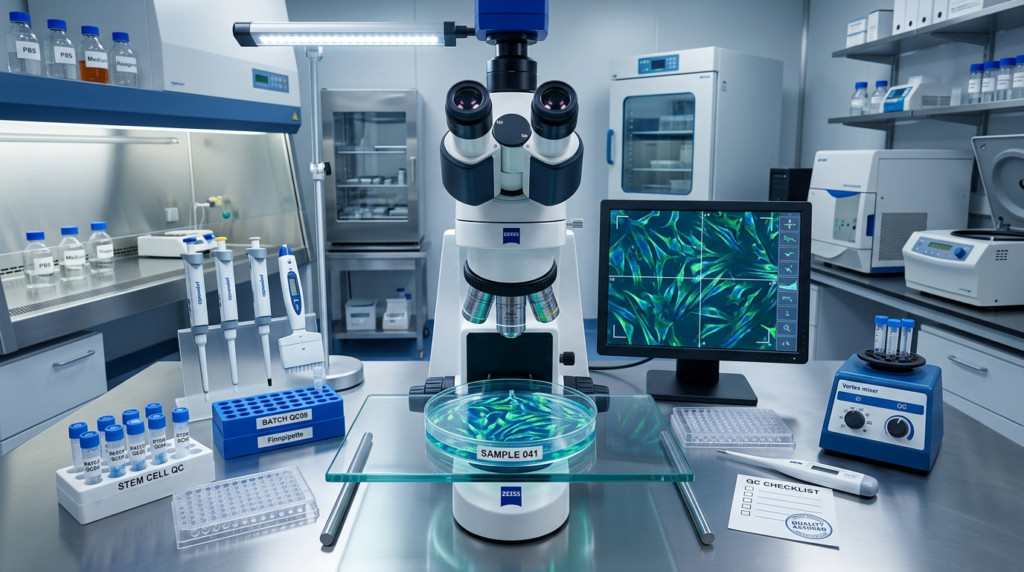
The success of stem cell therapy depends on much more than the treatment itself. Every stage—from patient evaluation and stem cell processing to laboratory testing and clinical administration—must follow strict quality standards to ensure patient safety and preserve the therapeutic potential of the cells.
As regenerative medicine continues to advance, choosing a clinic with robust laboratory protocols and internationally recognised quality standards has become increasingly important. At Njinsky Medical Centre, quality control is built into every step of the treatment process through evidence-based clinical protocols and an ISO-certified Biosafety Level 2 (BSL-2) Stem Cell Laboratory that operates under internationally recognised quality management systems.
Why Quality Control Is Essential in Stem Cell Therapy
Stem cells are living cells, and their quality directly influences the safety and consistency of treatment. Every stage of the process—from collection to administration—requires careful monitoring to minimise contamination and preserve cell viability.
Effective quality control includes:
- Sterile collection and handling of stem cells.
- Controlled laboratory processing in a Biosafety Level 2 environment.
- Continuous monitoring of temperature and storage conditions.
- Sterility testing and quality assessment before clinical use.
- Documentation and traceability throughout the treatment process.
These measures help ensure that stem cells are processed safely while maintaining their biological characteristics.
Njinsky’s ISO-Certified Stem Cell Laboratory
One of the distinguishing features of Njinsky Medical Centre is its ISO-certified Biosafety Level 2 (BSL-2) Stem Cell Laboratory, designed specifically for the safe processing of human stem cells.
Our laboratory follows internationally recognised quality protocols and operates according to strict standard operating procedures. Every stage of stem cell handling—from collection and processing to storage and preparation for clinical use—is performed under carefully controlled conditions to minimise contamination and maintain cell integrity.
Njinsky Medical Centre has obtained internationally recognised ISO certifications that reflect its commitment to quality management, laboratory safety, and continuous improvement, providing patients with confidence that their treatment is supported by robust quality systems.
Clinical Protocols That Prioritise Patient Safety
Quality control extends beyond the laboratory. Every patient undergoes a comprehensive medical assessment before treatment to determine suitability and develop an individualised treatment plan.
Our clinical protocols include:
- Detailed medical evaluation and consultation.
- Appropriate diagnostic investigations.
- Careful patient selection.
- Standardised stem cell collection and processing.
- Image-guided administration where clinically indicated.
- Post-treatment monitoring and follow-up.
Following standardised clinical pathways helps maintain consistency while ensuring every patient receives personalised care.
Maintaining High Standards Throughout Treatment
Regenerative medicine requires collaboration between clinicians, laboratory scientists, and quality management teams. At Njinsky Medical Centre, quality assurance is maintained through regular internal monitoring, equipment validation, staff training, and adherence to established laboratory procedures.
Every stage is documented to maintain traceability and support continuous quality improvement.
Stem Cell Therapy for International Patients
Njinsky Medical Centre welcomes patients from around the world, including Saudi Arabia and other Gulf countries, who are seeking advanced regenerative medicine treatments.
International patients receive comprehensive support throughout their medical journey, including consultation, treatment planning, laboratory processing, and follow-up care. Our multidisciplinary team works together to ensure that every patient receives care that meets internationally recognised standards.
Stem Cell Therapy for Chronic Diseases
Stem cell therapy continues to be investigated for a wide range of chronic and degenerative conditions. Depending on the individual patient’s condition and clinical assessment, regenerative medicine may be considered as part of a comprehensive treatment plan for selected musculoskeletal, neurological, metabolic, and autoimmune disorders.
At Njinsky Medical Centre, treatment recommendations are based on careful medical evaluation and current clinical evidence. Every patient’s condition is assessed individually before determining whether stem cell therapy may be an appropriate option.
The Importance of Follow-Up Care
Successful regenerative medicine does not end after the procedure. Regular follow-up appointments allow clinicians to monitor recovery, assess clinical progress, and address any concerns that may arise during the healing process.
Ongoing evaluation also contributes to continuous quality improvement by helping clinicians monitor treatment outcomes over time.
Choosing a Clinic That Values Quality
When considering stem cell therapy, patients should look beyond the treatment itself and evaluate the quality systems supporting it. An experienced multidisciplinary team, internationally recognised laboratory standards, evidence-based clinical protocols, and rigorous quality control measures all contribute to safer and more reliable patient care.
At Njinsky Medical Centre, these principles are supported by our ISO-certified Biosafety Level 2 Stem Cell Laboratory, comprehensive patient assessment, and commitment to maintaining high standards throughout every stage of treatment.
Conclusion
Quality control is one of the most important foundations of modern regenerative medicine. From laboratory processing to patient follow-up, every step plays a role in ensuring safety, consistency, and clinical excellence.
At Njinsky Medical Centre, our internationally recognised quality systems, ISO-certified Biosafety Level 2 Stem Cell Laboratory, and evidence-based clinical protocols reflect our commitment to providing regenerative medicine with the highest standards of patient care.

Njinsky Medical Center
At Njinsky, we specialize in cutting-edge stem cell treatments to heal untreatable ailments, regenerate cells, and revitalize the body and brain. With expert research and care, we redefine age, disease, and pain, offering a healthier, pain-free future through regenerative medicine.
Disclaimer: Results vary and no specific outcome can be promised.
Contact Information

Patient Success Stories: Real Results from Stem Cell Therapy
admin_njinskysaadmin
August 6, 2026